Showing posts with label PUBLIC. Show all posts

Monday, 9 November 2015

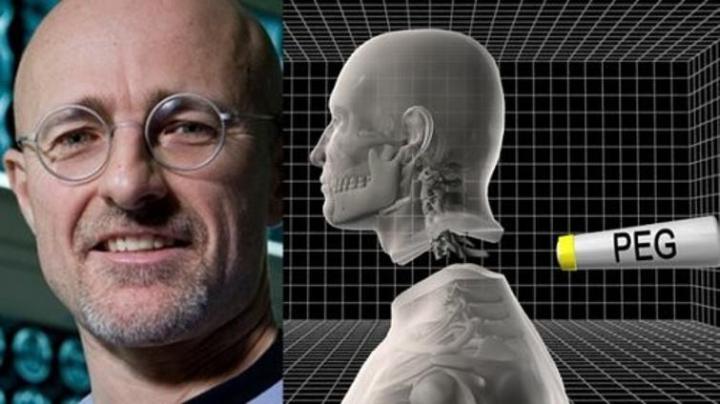
PROJECT HEAVEN GEMINI | FIRST HUMAN HEAD TRANSPLANT

HUMAN HEAD TRANSPLANT


“If Heaven is reckless, nature is crazier, and nature must be given pause when it comes to what it does to us all as creatures on this planet"- Dr. Sergio Canavero

In july 2013, Italian neurosurgeon Dr.Sergio Canavero made the world aware of his plans of performing the ritual against the nature. He told the world that head anastomosis venture can be made possible. Question is,what is head anastomosis? The word speaks itself, joining head of a person into another. WAIT WHAT??

STOOL COLORS AND PATTERNS INTERPRETATION

Stool Colors and Patterns

There are two types of people, one who talk open about the color and consistency of their stool while there are most people who are shy enough to talk about it and try avoiding the topic. But one day or another, when we visit physician, we have to answer when they ask- “what is the color of stool you are having?”. In the end, we all poop! Then why be ashamed and not ask questions about your tummy?

It is equally important for a doctor to ask color and consistency of poop. This may not appear an important question, but it can reveal a lot about the bowel movement and other conditions of the patient. This blog will just help understand different color and consistency of stool.


In this blog, we will make things easy and divide the topic- Color and Consistency of Stool, into three parts as:-


1. Normal Stool (Enterohepatic Urobilinogen Cycle)

2. Colors of Stool

3. Consistency and Pattern of Stool


1. Normal Stool


Normal Color of Stool


The normal color of poop is Yellow Brown. This is imparted due to Stercobilin, which come from bilirubin through a complex cycle known as Enterohepatic Urobilinogen Cycle. Enterohepatic Urobilinogen Cycle starts from red blood cells lysis or breakdown. This destruction of senescent RBC and/or ineffective red blood cell formation (erythropoiesis) leads to release of Haem (from haemoglobin). This gets converted into Bilirubin and transferred to liver. From liver, passed to gall bladder and secreted into Intestines. In intestines, most of it is converted into UROBILINOGEN. This Urobilinogen, under Bacterial Influence, gets converted into Stercobilinogen/Stercoblin which is passed into faece, hence, providing NORMAL YELLOW BROWN COLOR to Stool.


Normal Consistency or Pattern of Stool


Healthy poop is snake or sausage shaped. This indicates it had optimal nutrients and water in it. This is result of healthy intestinal contractions without any pathology or disease in gastrointestinal tract (GIT).


2. Different colors of Stool


Interpretation of stool color is given as follows:-


Brown Stool


Normal color of poop,nothing to worry about.


Light-colored, White or Clay colored Stool


This indicates lack of stercobilin, i.e, lack of bile into intestines. It means problem in drainage of biliary system, which can mean either Liver is not releasing enough bile or there is bile duct obstruction, preventing release of bile into intestine. Some diseases in which White stool appears is biliary cirrhosis, gallstones, sclerosing cholangitis, as well as cysts, tumors or cancers of the liver, the bile ducts, gallbladder or pancreas, etc. It can also occur from anti-diarrheal drugs like bismuth subsalicylate and others.


Black Stool


This typically means there is bleeding in the upper gastrointestinal tract which can include stomach, oesophagus and small intestine. The blood leak from the organ had enough time to get dried and be black.


Bright Red Stool


This typically means there is bleeding in Lower gastrointestinal tract, which includes large intestine and rectum. This is most common in haemorrhoid (piles). The blood didn't have enough time to dry up, and so it is more of fresh since it leaked from vessels.


Green stool


The basic principle infesting this is that food is moving in a much faster way in large intestines, thus, the bile juice from gall bladder didn't have enough time to be broken down into stercobilin by bacterial enzymes. This can occur as in severe diarrhea.


Blue stool


This occurs in dye techniques being used for study of gastrointestinal tract.


3. Consistency and Pattern of Stool


The consistency and shape or pattern of stool can be as:-

Hard pebble-like stool


This type of poop is hard to pass. It has been there in your large intestine for quite a long period, draining it of water and nutrients. It can mean Constipation often.

Liquid stool


It occurs when small intestine is irritated. It causes quick passing into large intestine, without absorbing nutrients and water. The large intestine also doesn't get enough time to reabsorb this water and nutrients and excess of water,thus, collects in rectum. It pressurizes the rectum and thus,occurs as Diarrhoea.

Floating stool


It occurs when lot of air has accumulated in your large intestines. It often means bad digestion. This air will get mixed with your stool and so, it will float.

Full of mucus


Mucus lines the lower GIT, and lubricates the surfaces, thus, causing easy passage of stool. Significant amount of mucus in your stool can often mean giardiasis and amoebiasis. If other symptoms like blood are involved, one should see a doctor. This could sometime mean serious complications like cancer of colon or rectum, fissure or fistula of rectum, ulcerative colitis, crohn's disease,etc.

Foul smelling stool


Normally, the poop does gives a bad smell. It can often mean diet changes. But if it excessively foul smelling and intolerant, it can mean Crohn's disease,Chronic pancreatitis,Intestinal infection,Malabsorption,Short bowel syndrome,etc.


Hope you got your answers if you had any. If you doubt if you are not pooping well, go see a doctor!

DEJA VU- DID IT ALREADY HAPPEN?


Have you ever had a strong sensation that what you felt just, have already happened? Bet you did! This strong sensation can be you doing something like doing an activity for first time or going a new place (according to you), meeting someone in some condition, listening to some music and every possible wonders. Did you just got a strong feeling it has already happened???

Yeah, you have just experienced DEJA VU!!! But this is not the only question that hits us when we experience deja vu, our mind enquires ourselves if this actually happened before, why this happened, am i the only one who had it or IS IT SOME DESTINY? Slow down, here we will try to explore every possible question that arises from deja vu.

What exactly is Deja vu?


Deja vu or déjà vu is a French word which literally means "already seen". It is described as event of  having strong sensation that present experience has already  been  experienced  by the person in his past life. This experience could be an actual event in life.

Did it actually happen before?


There are several hypothetical theories that describe déjà vu. More pronounced is theory of memories.

If you believe that you are destined to do this, more precisely, "prophecy", then no, this is no precognition as proposed by scientists.

What is the cause behind Deja vu that never happened?


Let's get deep into this. Our brain is a complex organ that works basically sequentially as-
Experience- it could be when what and how of an event
Storage- the information is stored in form of memory
Interpretation- memory is interpreted and used to recall the information stored in that part

Now, in deja vu, it is believed is that there is some irregularity in this sequence. There is experience, which is interpreted before it is actually stored in brain. This results in a phenomenon of malfunction of memories. Brain is not able to understand the sequence and fires the experience as past experience, which actually, has not happened.

Why did i have deja vu of a similar memory that actually happened before?


This can be explained again by theory of memories. Memories are reconstructed and reused whenever there is a demand. Even the memories which are forgotten, are nevertheless stored in brain. Sometimes, the forgotten memory (but still stored) is reconstructed but may not be sufficient to relate the current experience with exact past experience. Even though the past experience is different from the current one, there is misinterpretation of memories, leading to belief that this has actually happened before.

Am i the only one to face this deja vu?


No, you are certainly not the one. According to studies, around 2/3 (approximate 70%) of healthy population suffers the phenomenon of Deja vu once in their life. There is nothing to worry about or be concerned to have a natural phenomenon of memories. Moreover, deja vu is not related to any prophecy that this was the destiny, or precognition that this ought to happen.

Can Deja vu mean i have any abnormality or disease?


99% facing deja vu are healthy people, however, sometimes deja vu can also be related to pathological diseases. The most common being, Temporal lobe epilepsy, has the strongest association with deja vu. It is believed that suffering deja vu can be prior to temporal lobe epilepsy, or it can also occur during the convulsions.

Apart from this, it has also been proposed to be linked to schizophrenia and anxiety, but there are not enough proofs to support the statement.

Drug induced deja vu can be attributed to drugs like amantadine and phenylpropanolamine, which cause hyperdopaminergic  action, that is, excess of dopamine action.

Can Deja vu be related to my dreams?


This is merely a theory. Some people believe that ASTRAL PROJECTION can be the cause of Deja vu. According to paranormal activity researchers, our spirit explores world when we fall asleep and dream. Different locations, people, feelings and events can be experienced by a person in his mere dream. This can cause strong feeling of 'already happened' when the event is actually triggered in real life.


At the end of day, Deja vu is more of game of memories, doesn't mean you have been destined nor means you have any disease, but you just had the beautiful phenomenon of nature.

LEANING-STANDING ON ONE LEG HABIT

Leaning on one leg while standing


Today we are going to explore why people lean on one leg while standing.


Ofcourse most people around you lean on one leg and you could have noticed that in yourself also. Are you worried or just wondering why we do so? Here's what the mystery about standing or leaning on one leg says:-

What happens when i lean on leg?


The exact body changes when you lean are complex. You shift your weight to one side, say right. When you do so, you shift you weight on the right leg which locks the right knee (also called locking of knee joint). This allows less usage of muscles of your right leg. Following this, your left knee will bend and rotate inward to balance this shift. This further results in shortening of muscles of your left leg. The muscles most commonly involved are sartorius and rectus femoris.
Finally, because you have just shortened your left leg, allowing muscles of right muscles to relax, the hip (or pelvis to be precise) will get pulled forward.

Confused? Stand up and try yourself to see what happens.

Is this related to any disease?


Leaning on leg is more of a postural bad habit. You can relate it to Obsessive Compulsive Disroder sometimes. Rarely, it can be associated with what medicos call Short Functional Leg Syndrome. But since most people do it, they probably shouldn't have a disease, right?

What will happen if i continue to lean on one leg?


The answer is quite obvious as explained from mechanism of knee locking. Since you are putting your weight on one leg,allowing it to rest and letting other do the work, you are playing with the normal gravity control system of your body. This will obviously result in back pain and knee pain in long term.

What can i do to fix this habit?


The best practice is to making another habit, a habit of not doing it. Sitting for 2 minutes after standing for long can also help to signal your body to not lock your knees. Relaxing is the best way, one can try out stretching body abit to fix this postural error.
At end, remember it's your body, the way you define it is upto you. You don't want this leaning pattern to develop to your walking pattern also.

We often do this even without thinking, not a big deal, but the minor of things make a difference in long run.

INDIAN TOILETS VS WESTERN TOILETS

INDIAN TOILETS VS WESTERN TOILETS


Defecation or passing stool is a physiological process through which an organism passes feces or more specifically, waste products. 

The human concept of defecation techniques has evolved over time accompanied by positions of passing stool. 

That indeed sounds funny thing to write upon, but today, we are going to answer the most weirdest question of all times, WHICH IS BETTER- INDIAN TOILET VS WESTERN TOILET.

For once, you may think, what's so special in knowing about it, it's the same thing. On other hand, there are some who say Indian toilets are far better than Western toilets, while others say western are more comfortable than Indian toilets or the Turkey toilets.

You may also like:-
STOOL COLOR AND MEANING
DEJA VU - Feeling of already happened before
FIRST HUMAN HEAD TRANSPLANT


Let's reveal quickly what both have to offer in this blog- INDIAN TOILET VS WESTERN TOILET.


INDIAN TOILET


Indian pots are where one sits with thighs flexed upon abdomen. This is called SQUATTING POSITION of passing stool. 

Indian toilet or Turkey toilet or the Squat toilet is not actually so called Indian, it has history following from Turkey (Turkey toilet), where it spread to rest of the Asia. Ofcourse most primates sit and do the shit like that, and it has the most significant history over Western Pots.

Advantages of Indian toilet


Pros of Indian toilet are as:-

- Since the person is in squat position, his thighs are flexed over the abdomen. Now, doing this, you are actually increasing the pressure in the abdomen, while simultaneously decreasing the capacity of abdomen. This results in easy expulsion of Stool. Hence, one can say, Squatting position in squat toilets is ideally the best position for passing stool.

- Less chances of Urinary tract infection or UTI, since there is minimal direct contact with the toilet.

Disadvantages of Indian toilets


Cons of Indian toilet are as:-

- Not comfortable for old people, patients of osteoarthritis, and those undergone recent surgeries.

- More severe is the bursting of brain aneurysm which can even lead to death. The person applying pressure can accidentally burst aneurisms in his brain, if any, and those are really fatal to life.

- Blackouts are more common, since Valsalva maneuver leads to increased intra-thoracic pressure and reduced supply to brain.


WESTERN TOILET


Western pots is where one sits down with hips on pot and thighs semi-flexed. This is called SIT DOWN POSITION of passing Stool.

Western toilets are nowadays more popular, originated in Britain, from where it spread to rest of western countries. 

Advantages of Western toilet


Pros of western toilets are as:-

- They are considered more comfortable than Indian toilets since one is simply sitting with hardly any strain on any muscle.

- Convenient for old age people, patients of osteoarthritis and those undergone recent surgery.

- Some also consider this as modality for social status, while this is not a stronger fact to support it as advantage of western toilets.

Cons of Western Toilets


- There is considerable direct skin contact with the pot, therefore, more chances of Infections.

- There is relative more effort in process of passing stool, as compared to Indian toilets.


Overall, they both stand their own. Although, "omg, water out" is always the worst thing to worry about.

It's all upto you which one you choose, noone is forcing you ofcourse. But reconsider the pros and cons of Indian and Western toilets when you walk to the doors to do the job.

Hope you enjoyed the article. Try sharing your thoughts to let us understand better. You may also interest in Stool color meanings.

WHAT IS SKIN HYPERPIGMENTATION | SKIN TANNING

Skin Tanning - Hyperpigmentation

skin-tanning-sunburn

Unlike in Western countries, where most are fond of a tanned appearance, people in Eastern countries do not favour this look. They consider it unattractive and unaesthetic. While skin pigmentation is a natural phenomenon, hyperpigmentation can be drastically affecting.

We will talk about what is Hyper pigmentation, Stages of tanning, Scoring your tan, and how to remove pigmentation with some common home remedies.

skin-tanning-sunburn-gif

What is Hyperpigmentation / Skin tanning?

Sun tanning or simply skin tanning is a process of darkening of skin color, more precisely, pigmentation of skin, due to excess melanin production, which is a skin pigment imparting color to skin. Pigmentation generally occurs at skin exposed to sunlight, where pigmentation on face is always the common of all.

It is most often a result of exposure to ultra violet radiation. People also engage in passive recreational activities deliberately to tan their skin, artificially by exposure to sun,thereby, inducing hyperpigmentation..

Moderate exposure to the ultraviolet rays contributes to the production of Vitamin D in the body, but excessive exposure to these rays is very harmful and has negative effects on our health which include skin tanning, sun burn, increased risk of skin cancer including Melanoma which is the deadliest form, depressed immune function and accelerated ageing of skin which is a worst nightmare for most of the women, who wish flawless skin tone and not some pigmentation on face.

Phases of Tanning


The process of tanning occurs in 2 phases :

1. Immediate tanning or pigment darkening

2. Delayed tanning

Coming to the phases of tanning, we will first highlight both the process of tanning. We begin with immediate tanning-

1. Immediate tanning


The IPD or immediate tanning/pigment darkening (syn. Hyperpigmentation) is rapid darkening of the skin which begins during exposure to ultraviolet rays. The maximum effect of exposure to ultraviolet radiation is visible immediately.

Immediate skin pigmentation takes place particularly in that part of the skin where significant pigmentation is already present. It is caused by the process of Melanogenesis, which occurs after continued exposure to UVA or visible light characterized by a long wavelength. By Melanogenesis we mean production of melanin by melanocytes.

With the production of melanin ,the skin color darkens. Melanin protects the body by absorbing solar radiation but excessive solar radiation causes direct and indirect damage to the skin and the body naturally combats and seeks to repair the damage and protect the skin by creating and releasing further melanin into the skin.
Thus, this process of Melanogenesis results into increased skin pigmentation / tanning under excessive exposure to sun.

2. Delayed tanning


Delayed tanning is induced by UVB radiations also known as artificial sources of skin tanning. Delayed hyperpigmentation is a result of an increased epidermal melanin and first becomes visible after 72 hours of exposure to these rays.

The UVB rays start delayed tanning by creating an excited condition in the melanocytes (the cells that produce melanin) which in turn releases more melanin into the skin.

Who knows it better than a lady that how tough it is to bring a skin tan back to normal state.

Tanning Score- The Fitzpatrick Scale


A person's natural skin color has an impact on their exposure to the sun's ultraviolet radiation. The common tanning behavior of various skin types as introduced by Thomas B. Fitzpatrick is the "Fitzpatrick Scale".

Let's match our skin score through this Fitzpatrick Scale.

Skin-tanning-grade


The UV Radiation Tanning


Sun tanning which is caused by exposure to ultraviolet radiation can have diverse effects too. The most common risk of exposure to ultraviolet radiation is sunburn. Sunburn can be efficiently alleviated if not completely but upto some extent by applying suitable sunscreen which will hinder the tanning process. The worst case scenario is skin cancer which can make a person succumb to it.

The international agency for research on cancer concludes in it's study that artificial source of tanning i.e tanning bed is under the highest cancer risk category.

What can I do to treat tanning?


With patience and care you can certainly bring your skin color to normal. Although hyperpigmentation is not really to kill you, but pogmentation on face can be irritating sometimes. There are various home made remedies suggested to remove skin tans and get your glowing skin back. To say, you can try aloe vera, cucumber, lemon juice, yoghurt and turmeric or even bleach out that sun tan! No wonders what you do to get your skin pigmentation back to normal (pigmentation on face first!), patience and understanding is your first key.

What more? Go out with sunscreen on, or be ready to face the devil!

INFANTS DEVELOPMENT PERIOD | INFANCY

Concepts of Development during Infancy Period

Within this article, we are going to explore what is infancy, adjustments made in infancy period, and lastly, the Stages of Infant development. Let's roll out with the first one, WHAT IS INFANCY: -


What is Infancy?

Infancy is a period or state of being an infant which is the first or the early phase of childhood. This period starts  from the birth to two years. These first two years of an individual's life are the time of his most rapid development. He is a minor and struggles for reaching the stage of legal maturity.

Since the infancy period is that period in which the fetus comes to the world after spending nine crucial months in his mother's womb, so he has to adjust with the outer surroundings anyhow. If the infant has had a normal birth without any complications, then he will complete his respective adjustment period in two weeks or even in less than two weeks. However, if an infant has had a pre-mature or a difficult birth, then he will certainly take more time for the adjustments. Mothers! Be careful, since use of too much medicine at the time of birth may lead to serious complications.

Adjustments in Infancy period

Moving on to the four major adjustments infants need to make well in time for their better development include -

• Breathing
• Temperature changes
• Sucking and Swallowing
• Elimination

Breathing

Breathing is one very important adjustment to be made during the infancy period. The umbilical cord which provides nourishment and all the required needs of the fetus including adequate supply of oxygen is cut at the time of birth and the infant must start breathing on its own.

Temperature changes

Secondly, the temperature in the uterine sac where the fetus lives for almost nine crucial months is constantly maintained at 100°F, while temperature outside may vary from 60 to 70°F. So the infants need to quickly make adjustments for their better development.

Sucking and Swallowing

Next comes another adjustment of Sucking and Swallowing which I believe is the most important adjustment infants need to make after breathing adjustments. The infants until their birth receive nourishment through the umbilical cord and now when the umbilical cord is cut to bring them to this world they need to fulfill their nutritional requirements by sucking and swallowing.

Elimination

Lastly, the elimination which took place through the umbilical cord now has to take place through the infant's organs of elimination. The infancy period is the shortest period of development for a child and has many hazards which include both physical and psychological hazards.

Physical hazards

The physical hazards can affect the entire life span of the child. We will talk about some of the physical hazards here: -

Complications at the time of birth have a high possibility of causing physical harm to the child. A caesarean birth is likely to cause more harm than a normal delivery since it results in anoxia which means a temporary loss of oxygen to the brain. If this temporary loss of oxygen to brain is for a longer duration then its likely that the brain damage would be severe. Therefore, we can say that more complicated the birth and the more damage to the brain due to anoxia, greater will be the effect on the infant's postnatal life.

Another situation that causes severe effects due to anoxia is a pre-mature delivery which can even cause death of the infant. Anoxia is a major problem because a pre-mature infant's respiratory mechanism is not fully developed. It's effect maybe long lasting.

This understanding of the characteristics of the infancy period leads us to understand the types of development that take place in the infancy period.

Psychological hazards

Psychological hazards include the traditional beliefs associated with birth. For example - Some people believe that the children born with birth complications lead a difficult life. Also, the attitude of parents towards the infant due to gender preferences, complications at the time of birth, unexpected arrival of twins or triplets etc affects his growth.

Stages of Infant Development

The development process of the infants takes place in four aspects: -


First Aspect

To begin with, let's understand the First aspect of development i.e physical growth/development. The first year of the infant is characterized by rapid physical growth. A normal baby doubles his birth weight in six months and triples it in a year. Development of most vital organs for survival takes place during this time i.e brain, heart and lungs of the baby develop.

By the end of the second year the brain reaches 75% of it's adult weight. However, certain nutritional deficiencies during mother's pregnancy and even during infancy can lead to irreversible impairment of growth and development, while overfed infants tend to become obese later in life. A new born infants sleeps constantly, awakening only for feedings but by the time he is three months old he acquires a regular schedule for sleeping, feeding and bowel movements.

Second Aspect

Second aspect, cognitive development in infancy refers to the mental activities or processes involved in the processing and use of knowledge which include detecting, interpreting, classifying & remembering information, evaluating ideas, making strategies, fantasizing and dreaming.

Jean Piaget, the most influential psychologist of the 20th century has mentioned four stages of cognitive development in his studies which are: -

1. Sensory Motor Stage ( birth - 2 years)
2. Pre-Operational Stage ( 2-7 years)
3. Concrete Operational Stage ( 7-11 years)
4. Formal Operational Stage ( 11-15 years)

Third Aspect

Moving on to the Third aspect, the psycho-social development which is as simple as learning about yourself through your surrounding and other people. Psychoanalyst Erik Erikson has defined the theory of Trust vs. Mistrust which is the main feature of infant development. This occurs between birth and one year of age. Because an infant is purely dependent on his family, the development of trust is thus based on the dependability and quality of his caregivers.

If an infant develops trust, he'll feel secured in this world. Caregivers who are emotionally unavailable contribute to development of feelings of mistrust in the infants. The stage requires the basic needs of infant being met by the parents so if the parents fail to do so the infant will develop a feeling of mistrust which is harmful to the infant's development.

Fourth Aspect

Lastly, the linguistic or language development in infancy is a process when a person begins to acquire language by learning it as it is spoken. Language is acquired with amazing rapidity in infants, particularly after infants speak first word, usually around the end of first year. Infants use their bodies and vocal cries to communicate their needs and wants. Gradually, infant's babbling and other gestures turn into speech.
Phonology, Semantics, Grammar and Pragmatics are the four main components of language development in children and have their own appropriate developmental periods.